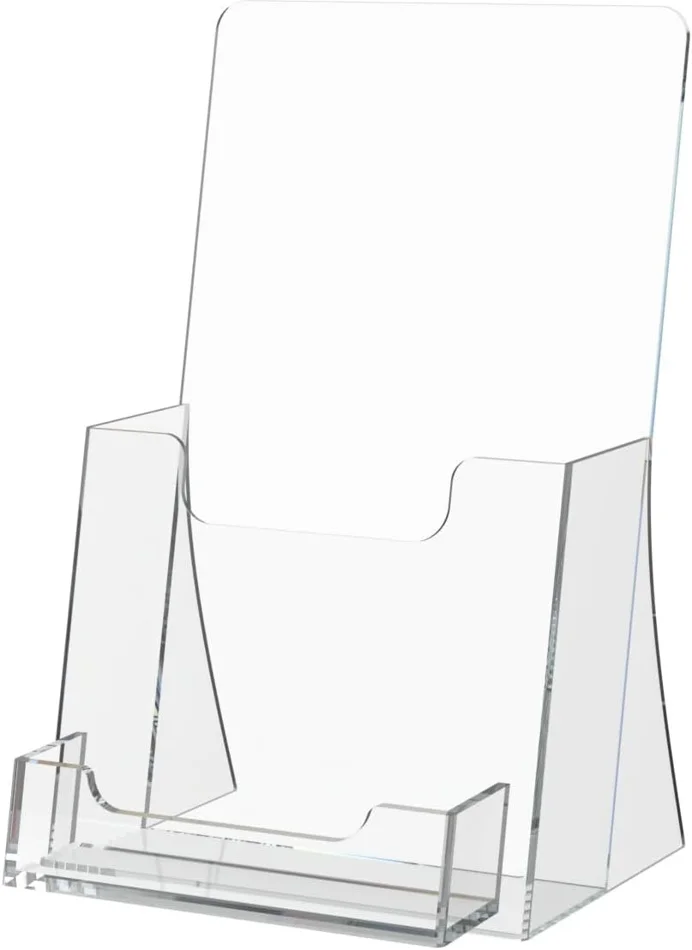
Portable Holders for Events and Sales
Use this section as a practical lens while comparing business card holders. The goal is not just storage; it is a small, polished display that makes contact details easy to notice and easy to take.
See the current product shortlist in 7 Best Business Card Holders for Professionals when you are ready to compare models.
First Impression. A business card holder is small, but it shapes how a desk, reception counter, booth, or consultation table feels. The holder should make cards easy to notice without making the space look cluttered. For portable holders for events and sales, the useful test is whether the holder helps a visitor take the card naturally while keeping the workspace polished.
First Impression check. Picture a client arriving with only a few seconds to scan the counter. The cards should be visible, upright, and easy to take without asking.
Capacity Planning. Capacity matters because an empty holder looks forgotten and an overstuffed holder looks messy. The right capacity depends on traffic, refill habits, and whether cards are standard, thick, folded, or specialty stock. For portable holders for events and sales, the useful test is whether the holder helps a visitor take the card naturally while keeping the workspace polished.
Capacity Planning check. Count how often cards are taken in a normal week and choose a holder that supports that rhythm without constant refilling.
Material Style. Acrylic, wood, metal, leather-look, and minimalist plastic holders send different signals. Professional style should match the desk environment rather than fight it. For portable holders for events and sales, the useful test is whether the holder helps a visitor take the card naturally while keeping the workspace polished.
Material Style check. Compare the finish with the desk, signage, product samples, and stationery already in the area.
Card Visibility. Good holders keep the name, logo, or top line visible. Deep pockets, odd angles, or reflective surfaces can hide the card and reduce pickup. For portable holders for events and sales, the useful test is whether the holder helps a visitor take the card naturally while keeping the workspace polished.
Card Visibility check. Set one card in the holder and step back. If the brand or name disappears, the design may be less useful than it looks.
Stability. A holder should stay steady when someone takes a card. Lightweight models can slide, tip, or rotate on glossy counters and event tables. For portable holders for events and sales, the useful test is whether the holder helps a visitor take the card naturally while keeping the workspace polished.
Stability check. Try the one-handed pickup test: a visitor should be able to remove a card without chasing the holder.
Event Use. Professionals who move between offices, conferences, pop-ups, and client visits need holders that pack safely and set up quickly. Portability changes the buying criteria. For portable holders for events and sales, the useful test is whether the holder helps a visitor take the card naturally while keeping the workspace polished.
Event Use check. For travel, check weight, edges, scratch risk, and whether the holder protects cards inside a bag.
Reception-desk rehearsal. Imagine the holder during a full day: morning setup, a courier dropping paperwork, a client asking a question, a quick card refill, and a closing reset. The right holder keeps cards presentable through that ordinary traffic without becoming another item the team has to constantly fix.
Brand alignment. A card holder should support the brand quietly. A law office may prefer weight and restraint, a salon may want warmth, a consultant may need compact polish, and a trade-show table may need visibility from several feet away. Matching the setting prevents the holder from feeling generic.
Cleaning and wear. Dust, fingerprints, scuffs, and paper debris can make even good cards look neglected. Smooth materials are easier to wipe, while textured finishes may hide small marks. Choose a holder that can stay clean in the actual environment where it will sit.
Multi-card setups. Some desks display staff cards, service cards, referral cards, appointment cards, or loyalty cards. If more than one card type is needed, consider separate slots or a wider display so visitors do not have to dig through a mixed stack.
Small-space fit. Business card holders often share space with pens, QR signs, brochures, tablets, products, and payment terminals. A compact footprint matters when the counter is narrow. The holder should earn its spot by improving card access without crowding the transaction area.
Professional pickup flow. The best pickup flow is simple: see the card, take one card, and understand why it is there. Holders that pinch cards too tightly, lean too far back, or hide the front face interrupt that flow. Smooth access makes a small but noticeable difference.
Procurement logic. For teams, consistency is useful. Matching holders across reception desks, showrooms, and conference rooms can make the brand feel coordinated. If multiple locations need holders, prioritize durable designs that are easy to replace and do not depend on a trend that may look dated quickly.
Failure mode check. Common failures include cards curling, stacks sliding forward, holders tipping, acrylic scratching, metal edges catching cards, and wood finishes clashing with the desk. Compare shortlist options against these practical issues before buying.
Long-term fit. A business card holder should still look intentional after months of use. The best choice balances visibility, stability, capacity, cleaning, and style so the cards remain part of the professional presentation instead of a forgotten pile near the monitor.
Buying checklist. Before choosing, score each option on where it will sit, how many cards it must hold, whether the card face is readable, how easy pickup feels, how well it cleans, and whether it matches the tone of the business. This keeps the decision grounded in real professional use.
Visitor-path check. Look at the holder from the visitor path, not only from behind the desk. A holder can look perfect to the receptionist but disappear from the client side because of a monitor, display sign, plant, brochure rack, or payment terminal. Walk the space and make sure the card is visible where people naturally pause.
Card protection. Cards represent the business before anyone speaks. A holder should protect corners from bending, keep glossy cards from sticking, and avoid surfaces that leave marks. If the business uses thick stock, embossed cards, soft-touch finishes, or unusual sizes, test the fit carefully so the display does not damage the very thing it is meant to present.
Counter reset routine. Professional spaces need quick reset routines. At closing, staff should be able to straighten the stack, wipe the holder, remove dust, and leave cards aligned for the next day. A design that is easy to reset will keep looking intentional longer than one that requires careful arranging every morning.
Event-table rehearsal. For events, imagine setup under time pressure: tablecloth down, signage placed, samples arranged, payment app opened, and cards displayed before visitors arrive. The holder should unpack quickly, stay stable on a temporary table, and make the business card easy to grab even when people are moving through a crowded aisle.
Multiple-audience fit. Some card holders serve clients, vendors, recruits, referral partners, or walk-in visitors at the same time. The design should feel neutral enough for those audiences while still matching the brand. Overly novelty shapes can distract from the card, while a clean holder lets the name and offer remain the focus.
Placement with QR codes. Many desks now use both business cards and QR signs. The holder should not hide or compete with the QR code. Cards can give a tactile takeaway while the QR sign gives a digital path, so the best setup lets both options sit clearly without making the counter feel like a cluttered marketing board.
Durability over novelty. A holder may sit in public view for months. Choose durable edges, stable bases, and finishes that age well under light, fingerprints, and repeated pickup. Novelty designs can be fun for a short event, but everyday professional use usually rewards restraint, reliability, and easy cleaning.
Final presentation test. Before committing, place the card holder exactly where it will live and view it from three angles: visitor, staff, and side approach. If the card is visible, the holder stays steady, the material fits the room, and the stack looks tidy, the choice is much more likely to support a polished professional impression.
Professional display decision reminder
Return to the LeStallion business card holder review after checking capacity, card visibility, desk footprint, material finish, and pickup flow.
Related cloud-chain reference: the previous support page covered document cameras for remote work, another professional-work tool kept near the end of the research path.